
Compliance standards are critical for healthcare linen infection prevention.
From patient wear and lab coats to scrub programs and medical linens—your staff and patients deserve more than just “clean.” At Crown Uniform & Linen, hygienically clean isn’t a marketing message. It’s a standard you can prove.
With Crown’s healthcare linen and uniform programs, infection prevention isn’t assumed—it’s a measurable, auditable standard that directly impacts patient outcomes, staff safety, and compliance.
Yet one of the most overlooked risks in many facilities is still textile processing.
Not because your teams don’t care.
Because not all programs are built the same.
At Crown Uniform & Linen, we approach infection prevention differently—by focusing on process integrity, verified standards, and operational accountability at every step of the way.
Ready to step up your infection prevention? Build your program with Crown today!
Compliance Isn’t Optional—It’s Foundational
Many providers talk about meeting infection prevention standards.
Crown’s processes are built around them.
Our healthcare programs are aligned with:
- HLAC-accredited processing standards
- OSHA compliance requirements
- Centers for Disease Control and Prevention infection prevention guidelines
- The Joint Commission expectations for textile handling and hygiene
This isn’t just a checklist—it’s a system.
From soil collection to clean delivery, every step is designed to:
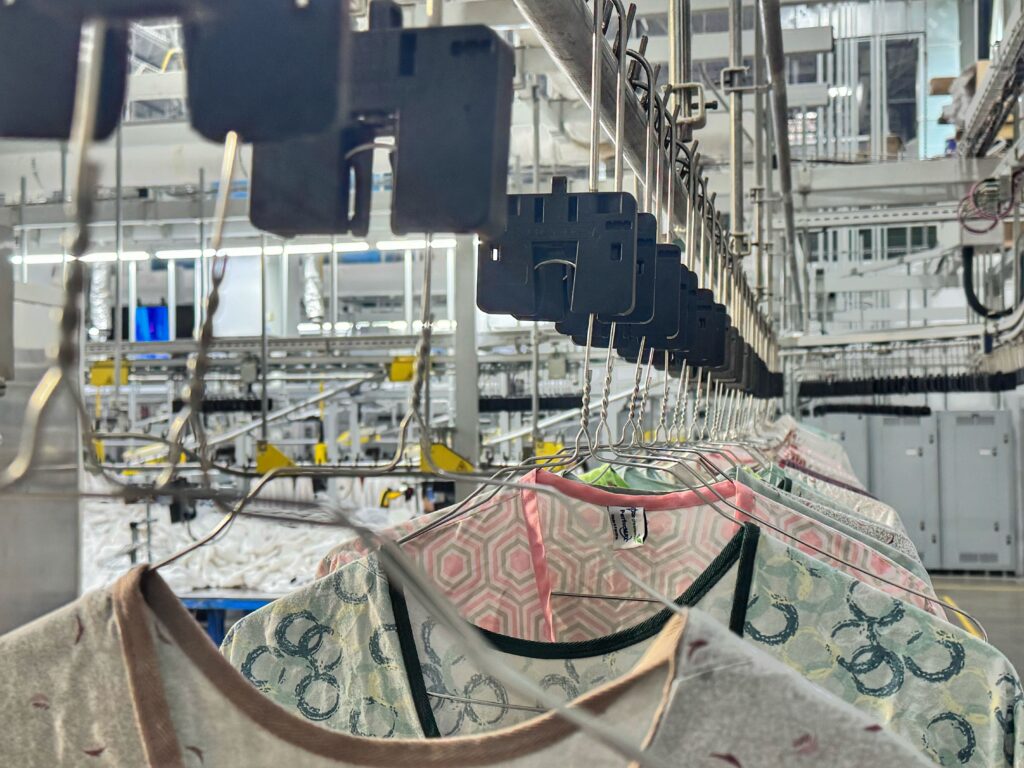
- State of the Art Processing Facility
- Reduce cross-contamination risk
- Maintain documented hygiene standards
- Always support audit readiness
- Trained Delivery & Production Team Members
Hygienically Clean Isn’t the Ceiling—It’s the Starting Point
Crown follows TRSA Hygienically Clean certification standards, ensuring textiles meet strict microbial testing thresholds.
But we don’t stop there.
In addition, we commit to what actually matters in real-world environments:
• Validated wash formulas tailored to healthcare classifications
• Controlled wash temperatures and chemistry
• Documented separation of soil and clean goods
• Continuous process monitoring and quality checks
Because infection prevention doesn’t happen at one point in the process—it happens across the entire chain.
Beyond “Clean”: Process Control That Reduces Risk
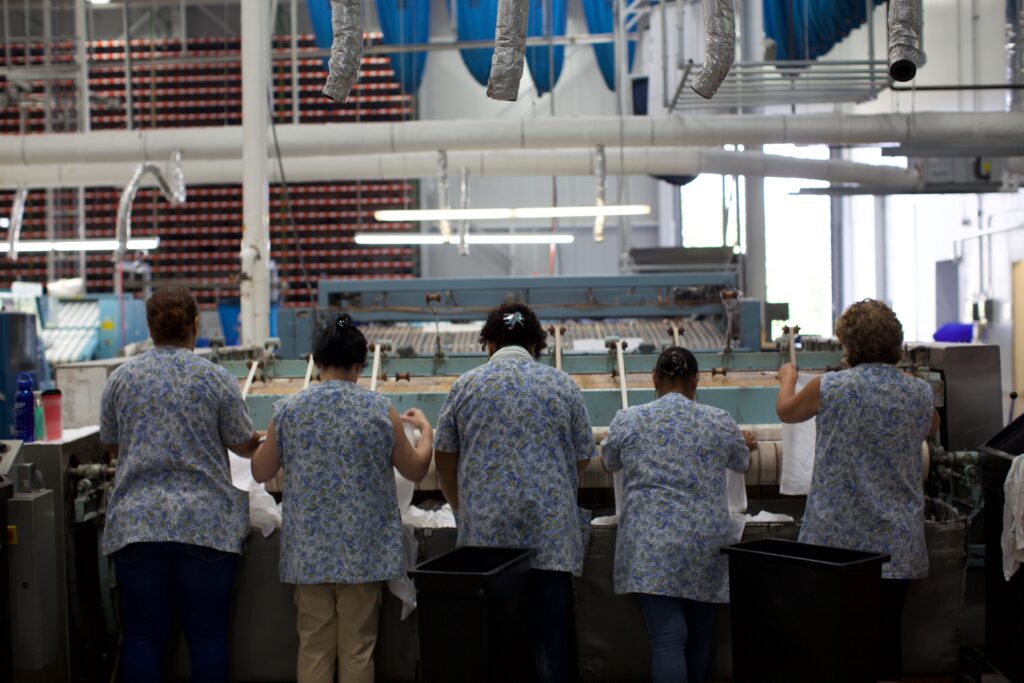
1. Controlled Processing Environments
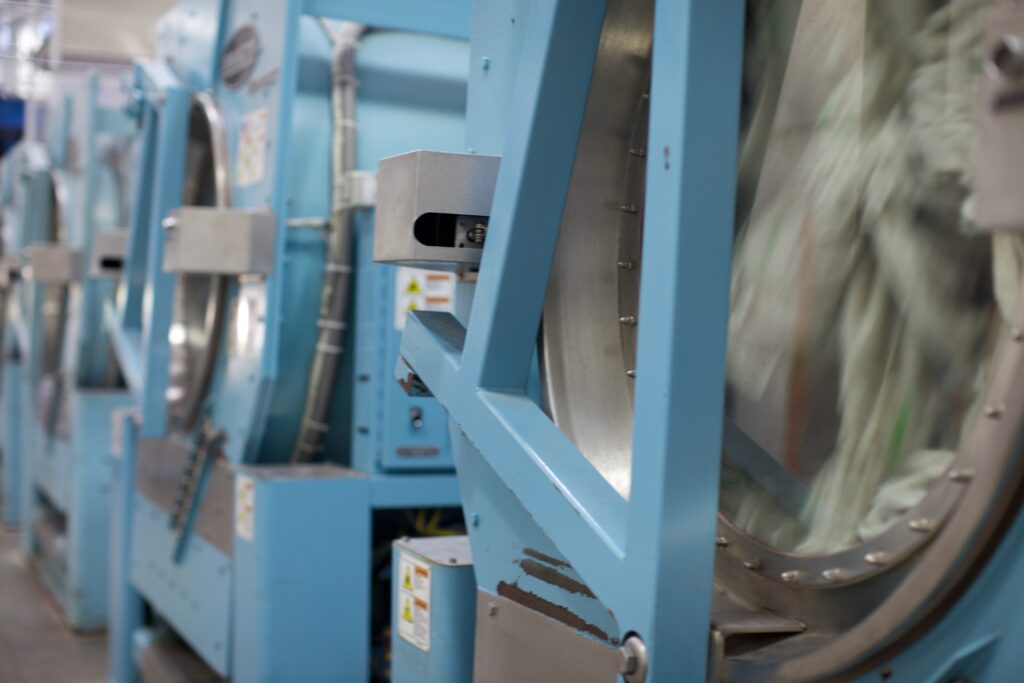
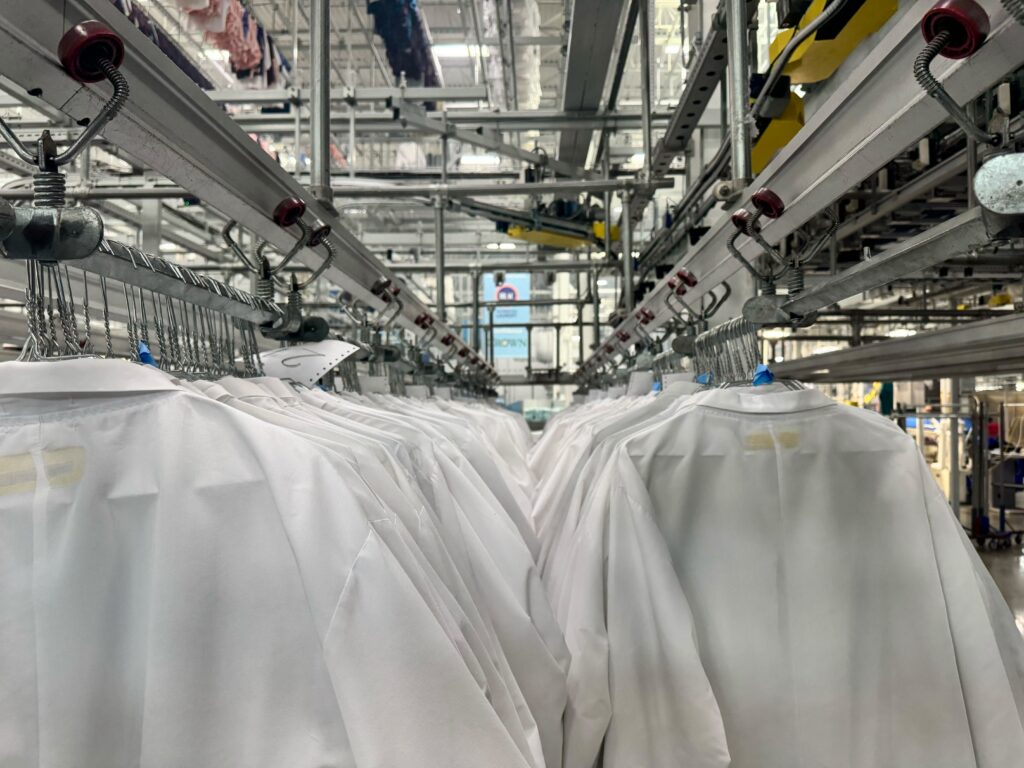
Clear separation between contaminated and clean zones ensures integrity throughout the wash cycle.
2. Standardized Handling Procedures
Every garment and linen follow a defined path—from pickup to delivery—reducing unnecessary touchpoints and exposure risk.
3. Quality Verification at Every Stage
Inspection isn’t a final step—it’s built into every stage of the process. At Crown, our quality standards are clearly documented, and our teams are trained and empowered to uphold them every step of the way:
• Product integrity
• Cleanliness standards
• Presentation consistency
RFID-Enabled Accountability: Infection Prevention You Can Track
One of the biggest gaps in many linen programs?
Lack of visibility.
Crown integrates RFID technology into its programs, allowing healthcare facilities to:
- Track garments throughout their lifecycle
- Reduce loss and replacement costs
- Ensure proper inventory levels by department
- Maintain accountability across teams
This isn’t just operational—it directly supports infection prevention by ensuring:
- Clean products are always available where needed
- Soiled items are properly removed and processed
- Inventory doesn’t circulate outside controlled systems

The Risk Isn’t Just Cleanliness, It’s the Process Behind It
Healthcare-acquired infections (HAIs) remain a critical concern across the industry.
But the issue often isn’t whether textiles are cleaned.
It’s whether the entire system supporting them is designed to minimize risk.
Common gaps we see:
• Inconsistent processing standards
• Limited documentation for compliance audits
• Over-handling of garments within facilities
• Inventory shortages that force workarounds and quietly drive-up internal costs. These aren’t product problems.
They’re process problems.
A Better Model: Built for Healthcare, Not Adapted to It
Crown doesn’t retrofit a general service model into healthcare environments.
Our programs are built specifically for:
• Hospitals
• Outpatient centers
• Ambulatory Surgical centers
• Specialty care environments
That means:
• Inventory aligned to clinical workflows
• Delivery models that reduce internal handling
• Products designed for both protection and comfort
• Programs that support infection prevention and operational efficiency simultaneously
Infection Prevention Is a Partnership
No single process, product, or claim eliminates risk.
It takes:
• The right standards
• The right systems
• The right partner
Crown works alongside healthcare teams to deliver consistent, compliant, and accountable textile programs—so your staff can focus on care, not logistics.
Let's Take A Closer Look At Your Current Program
Let’s Take a Closer Look at Your Current Program
If you’re evaluating your current provider—or just want a second set of eyes on your process—we’ll take a consultative approach to identify:
• Gaps in compliance or documentation
• Opportunities to reduce handling and risk
• Ways to improve consistency across departments
• Cost-saving opportunities without sacrificing quality